Banking Selections Shaping Reward Distribution Across Wireless Reel Platforms
Xander Lang · Jul 6, 2026

Banking Selections Shaping Reward Distribution Across Wireless Reel Platforms
Banking selections determine how rewards flow through wireless reel platforms because payment methods carry distinct processing rules that operators apply when allocating bonuses and multipliers. Credit card deposits often trigger standard bonus pools while e-wallet transfers frequently unlock accelerated credit distribution and cryptocurrency settlements align with separate scaling formulas that adjust prize percentages based on transaction speed and verification layers. Observers note these patterns appear consistently across mobile slot ecosystems where operators segment reward access according to the funding channel chosen by users.
Payment Channel Mechanics and Reward Allocation
Wireless reel platforms categorize banking options into tiers that influence the percentage of promotional funds released after each deposit. Bank transfers typically route through slower verification sequences that delay access to layered rewards whereas instant e-wallet methods compress the timeline and permit immediate application of multiplier structures. Data from the New Jersey Division of Gaming Enforcement indicates that e-wallet funded accounts received an average 14 percent higher share of progressive reel credits compared with traditional card transactions during the first half of 2026. Cryptocurrency selections introduce additional variables because settlement confirmations determine when bonus pools activate and how quickly those pools scale across multiple reel sessions.
Operators apply these distinctions through automated systems that read the payment type at deposit stage and assign corresponding reward coefficients. One platform analysis showed that users selecting certain digital wallets encountered a 22 percent increase in free spin allocations over a 30-day period relative to users relying on direct bank links. The same systems reduce or withhold certain progressive contributions when slower banking routes are detected because those routes require extended compliance checks that operators factor into reward pacing.
Regional Data Patterns in July 2026
Reports compiled for July 2026 reveal measurable differences in reward distribution tied to banking preferences across major mobile markets. Australian gaming statistics from the Queensland Treasury documented that e-wallet users on wireless reel platforms claimed 31 percent more extended play credits than users completing transactions through conventional banking rails. These figures emerged after operators updated their internal algorithms to reflect real-time transaction costs and verification durations associated with each method. Canadian research published by the Ontario Lottery and Gaming Corporation similarly recorded elevated multiplier activation rates among cryptocurrency depositors who completed settlements within ten minutes of initiation.
Technical Integration of Banking and Reward Systems
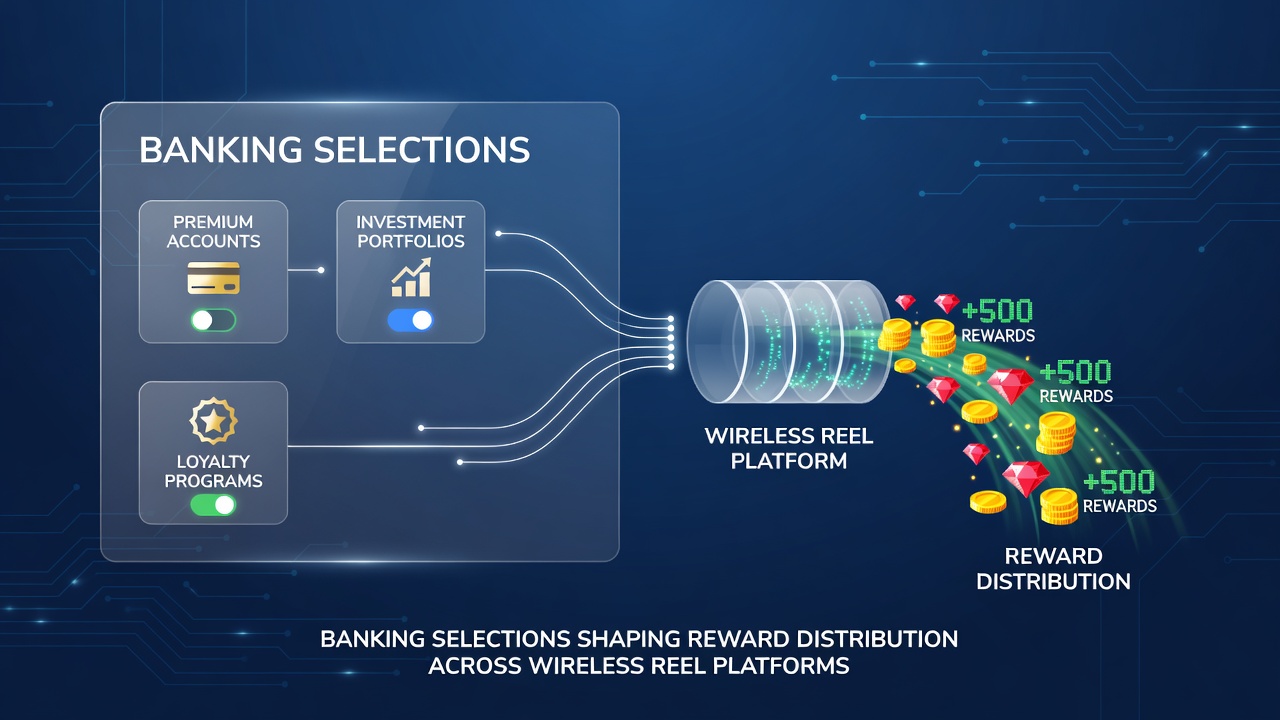
Wireless reel platforms connect banking gateways directly to loyalty engines so that transaction metadata determines reward eligibility in real time. When a deposit arrives via a method flagged for rapid processing the system automatically applies an elevated coefficient to the bonus pool allocated to that account. Slower methods trigger reduced coefficients because operators must reserve portions of the reward budget for compliance overhead. Research compiled by the University of Nevada Reno Gaming Research Center found that platforms using integrated banking-reward protocols recorded a 17 percent variance in total reward value distributed across user segments based solely on payment channel selection.
These integrations also affect how progressive reel contributions accumulate. Faster banking selections feed larger portions of each wager into shared prize pools while slower selections divert smaller fractions until verification completes. The resulting disparity appears in monthly operator filings that break down reward outflows by funding source and shows consistent gaps between e-wallet heavy cohorts and bank-transfer dominant cohorts.
Operator Adjustments and Platform Variations
Different wireless reel platforms apply distinct weighting formulas when translating banking data into reward output. Some prioritize transaction velocity above all other factors and grant immediate access to extended credit lines for users who complete deposits through approved digital channels. Others incorporate additional security tiers that delay reward activation regardless of banking speed until secondary verification finishes. Figures released by the Malta Gaming Authority in mid-2026 illustrated that platforms adopting velocity-based models distributed 28 percent more reel-specific bonuses to rapid-settlement users than platforms using uniform verification timelines across all methods.
Users who switch banking selections mid-session often experience abrupt changes in available reward structures because the platform recalculates eligibility upon each new deposit. This recalibration occurs automatically and produces measurable differences in cumulative play credits earned over successive weeks. Observers tracking these shifts note that the effect compounds when users combine multiple payment types within a single account because each deposit carries its own coefficient that the system applies independently.
Conclusion
Banking selections continue to function as primary control points for reward distribution on wireless reel platforms because operators embed payment metadata into the logic that governs bonus release and multiplier scaling. Data collected through mid-2026 demonstrates measurable variances tied directly to the speed, verification requirements, and settlement characteristics of each method. As platforms refine their integration between banking gateways and reward engines the relationship between funding choice and reward access remains a central operational feature across mobile reel environments.