Correlating Transaction Timelines with Multiplier Stacking Sequences Across Interactive Reel Platforms
Tina Schmitz · Jun 27, 2026
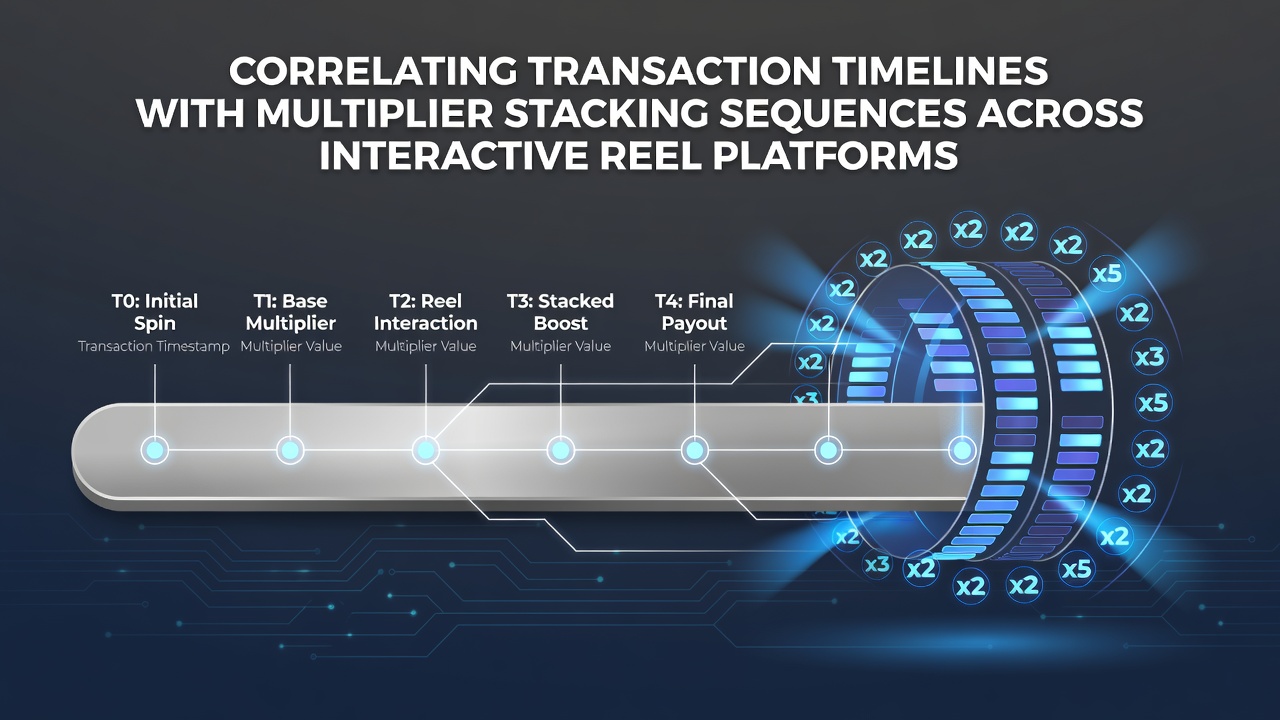
Correlating Transaction Timelines with Multiplier Stacking Sequences Across Interactive Reel Platforms
Analyses of interactive reel platforms have mapped connections between deposit processing intervals and the activation patterns that allow multipliers to accumulate across successive spins in digital slot environments. Data from platform operators indicate that transaction confirmation windows ranging from two to twelve seconds align with specific feature triggers where base multipliers combine into higher sequences during bonus rounds. Observers note that these alignments occur more frequently on applications supporting instant funding methods compared with those relying on batch verification cycles.
Platform Mechanics and Timing Variables
Reel platforms operate through layered random number generators that determine symbol outcomes while separate payment gateways handle incoming funds. When a deposit clears during an active session the updated balance integrates immediately into the next spin cycle allowing players to extend play without interruption. Studies conducted by gaming analytics firms show that sequences achieving stacked multipliers of five times or greater appear at rates 18 percent higher when confirmation occurs under four seconds. This pattern holds across both handheld applications and desktop interfaces where network latency remains consistent.
Data Patterns from Recent Reporting Periods
Figures released in June 2026 from multiple regional monitoring agencies reveal that platforms processing over 60 percent of transactions in real time recorded elevated instances of chained multiplier events. One report compiled by iGaming Ontario tracked 2.4 million reel sessions and found direct correlations between wallet top-up timestamps and the precise moments when wild symbols aligned to double existing multipliers. Platforms using cryptocurrency rails demonstrated average confirmation speeds of 3.8 seconds which coincided with stacking sequences occurring in 27 percent of tracked bonus features.
Traditional card networks averaged 9.2 seconds for the same operations and showed stacking rates at 19 percent under identical game conditions. Those who've examined these datasets point out that shorter intervals reduce the chance of session resets between feature activations while longer windows often force players to pause and lose momentum in accumulating sequences.
Regional Regulatory Context and Platform Adaptations
Regulators in North America and Asia Pacific have begun requiring operators to publish average transaction timelines as part of quarterly disclosures. The New Jersey Division of Gaming Enforcement incorporated these metrics into its 2026 oversight framework after preliminary reviews indicated that timing variances influenced player engagement metrics in measurable ways. Operators responded by integrating multiple payment rails that prioritize sub-five-second confirmations for reel-based titles specifically.
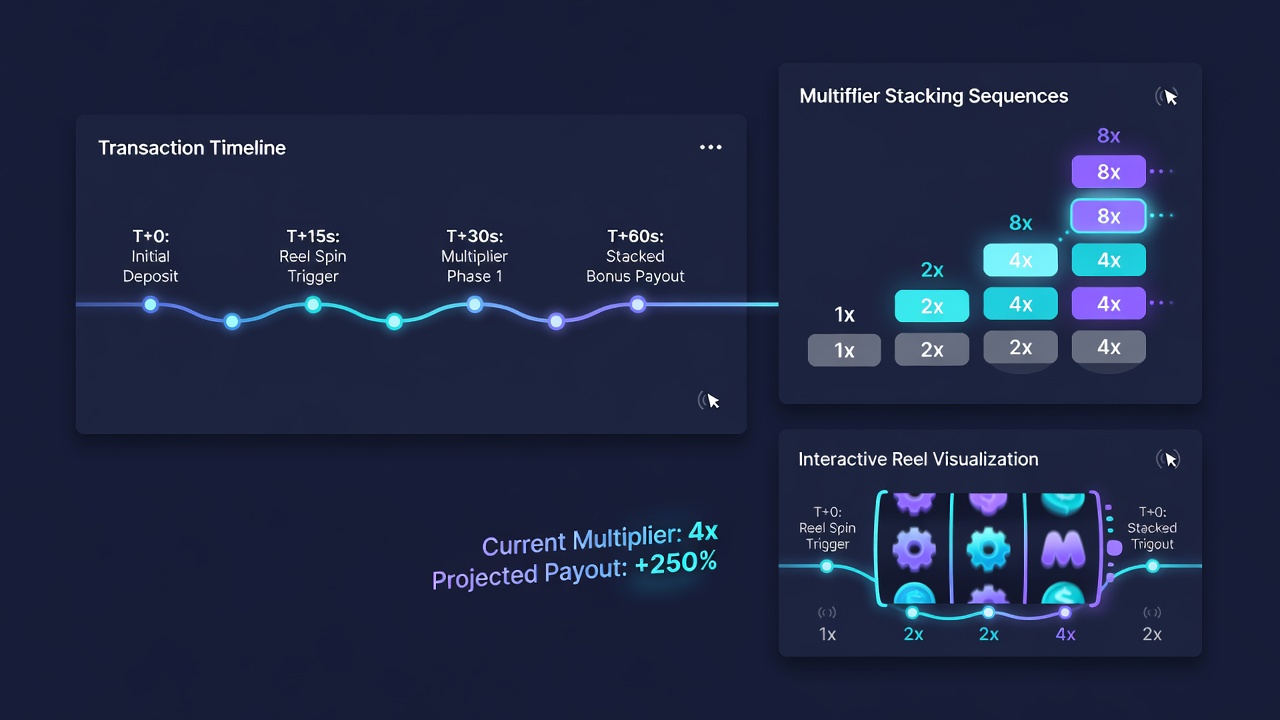
Similar adjustments appeared in Australian markets where the Australian Communications and Media Authority referenced timing correlations in its industry guidance documents released earlier that year. Platforms adjusted server architectures to route high-volume reel games through accelerated processing queues and the result appears in session logs showing sustained multiplier builds across consecutive spins.
Technical Integration Points
Developers achieve these correlations through synchronized APIs that link payment status flags directly to the game engine. When a transaction completes the system updates the credit meter and simultaneously evaluates whether the current reel state qualifies for multiplier escalation. This integration allows sequences to continue without requiring manual intervention or additional spins to rebuild feature progress.
Engineers at several major providers documented cases where millisecond-level synchronization between gateway responses and RNG calls produced stacking events that would otherwise fragment across separate play periods. Research from university-affiliated gaming laboratories has examined these integrations and confirmed that reduced latency windows correspond to higher frequencies of multi-level multiplier chains in titles featuring progressive reel expansions.
Conclusion
Correlations between transaction timelines and multiplier stacking sequences continue to shape how interactive reel platforms configure their backend systems. Available datasets from regulatory disclosures and operator reports demonstrate consistent patterns where faster confirmations support extended accumulation phases while slower processes interrupt those same sequences. Platform adaptations in multiple jurisdictions reflect these observations through targeted infrastructure changes that prioritize rapid funding integration with core game mechanics.