Examining How Transaction Pathways Connect Layered Incentives with Portable Reel and Table Interactions
Sofia Roth · Aug 1, 2026
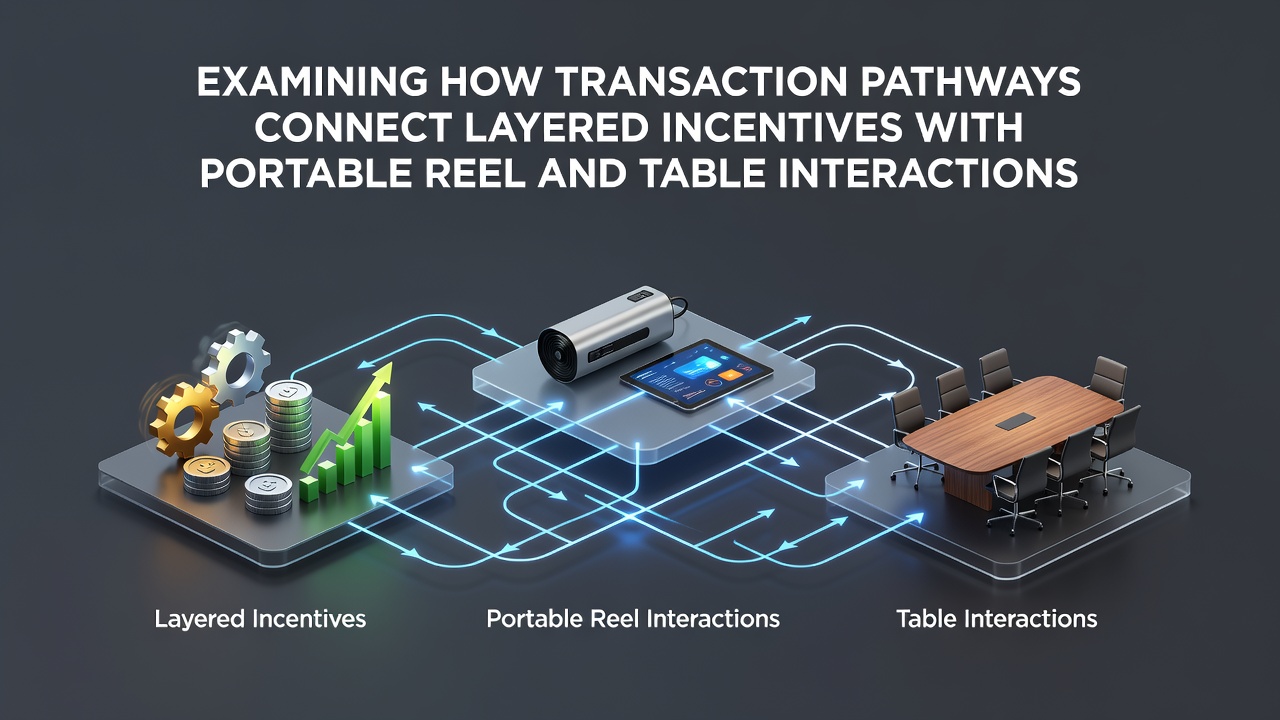
Examining How Transaction Pathways Connect Layered Incentives with Portable Reel and Table Interactions
Transaction pathways in digital gaming environments serve as the connective tissue between layered incentive programs and user interactions across portable reel formats and table sessions, where deposits and withdrawals feed directly into reward calculations that adjust in real time on handheld devices. These pathways route funds through secure gateways that trigger bonus multipliers, loyalty point accruals, and tier advancements while players engage with slot reels or live dealer tables on mobile platforms.
Core Mechanisms of Transaction Pathways
Payment processing systems in mobile gaming applications channel funds from external wallets into game-specific ledgers, and this flow activates incentive layers such as deposit matches or cashback percentages that apply immediately to both reel spins and table wagers. Data packets carrying transaction details synchronize with backend servers that track player activity across sessions, ensuring that each completed deposit or withdrawal updates the available incentive balance without interrupting ongoing gameplay sequences.
Observers note that these pathways often incorporate API endpoints that pull verification data from financial institutions and gaming operators simultaneously, which creates a unified record of how incentives accumulate during extended play periods on portable devices. When a user initiates a transfer, the system logs the amount, applies any applicable tier bonuses, and distributes the enhanced credit across reel features or table betting options based on predefined rulesets.
Layered Incentives and Their Integration Points
Layered incentive structures typically include entry-level welcome packages, mid-tier reload offers, and premium VIP benefits that scale with transaction volume, and these layers connect to mobile interactions through automated scripts that monitor funding activity in August 2026 across multiple jurisdictions. Researchers have documented how a single deposit can unlock progressive rewards that influence reel symbol probabilities or table side-bet payouts, with the pathway ensuring seamless credit allocation to the active game interface.
Studies from academic institutions such as those referenced in American Gaming Association reports reveal that incentive layers adjust dynamically when transaction volumes reach specific thresholds, allowing portable reel sessions to benefit from increased free spin allocations while table interactions receive extended play credits or rake reductions. The pathways maintain separate tracking modules for each incentive tier, yet they converge at the point of game launch to deliver unified reward displays on the user screen.
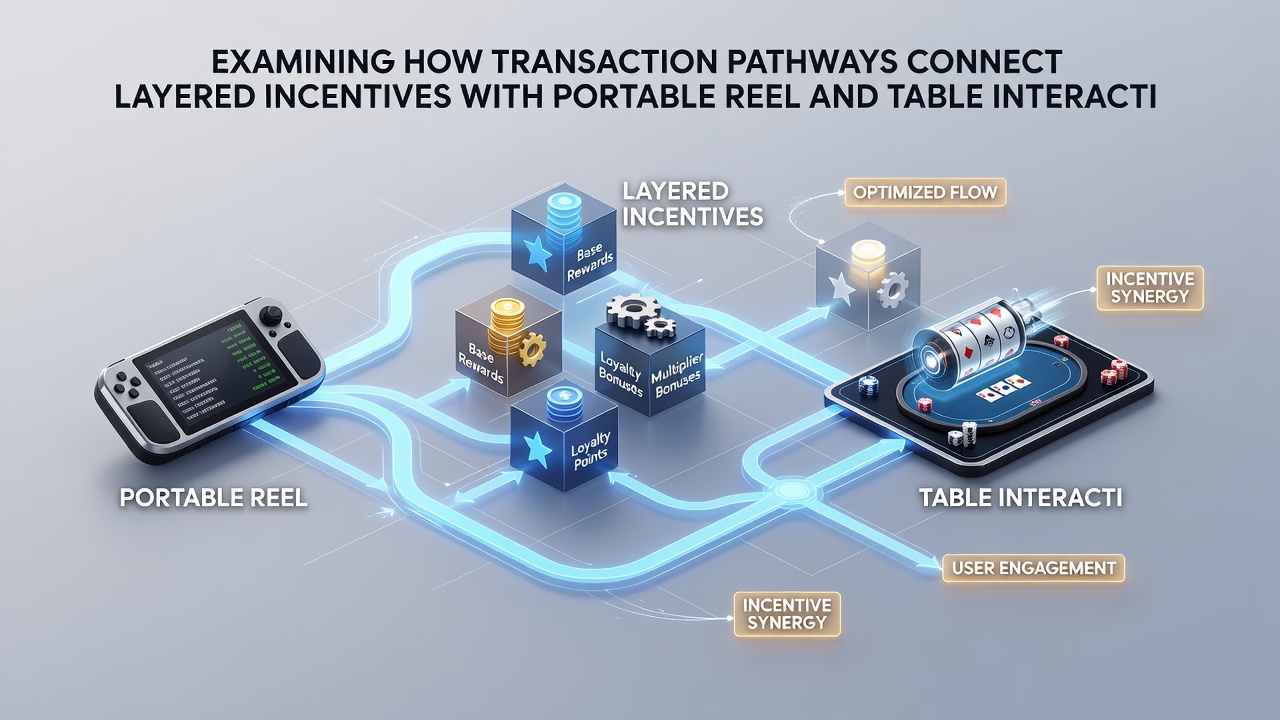
Portable Reel and Table Interaction Dynamics
Portable reel interactions on mobile devices rely on transaction pathways to convert deposited amounts into spin credits that carry incentive multipliers, and these same pathways extend to table formats where live dealer sessions incorporate the same funding streams to unlock loyalty rewards during card or wheel play. System logs indicate that reel games process transactions in micro-batches to support rapid spin sequences, whereas table interactions handle larger, less frequent transfers that align with betting round cycles.
Those who have analyzed mobile gaming logs report that incentive connections manifest differently across formats, with reel pathways often prioritizing volume-based bonuses that accumulate across hundreds of spins and table pathways emphasizing time-based rewards tied to session duration and wager size. August 2026 data streams from regulatory filings show increased synchronization between these formats, where a single wallet transaction can split incentives proportionally between reel and table modules within the same application.
Data Flow and Synchronization Patterns
Transaction data travels through encrypted channels that update incentive ledgers every few seconds, and this continuous flow ensures that layered rewards remain current whether a player switches between reel spins and table hands on a portable device. Backend processors match transaction timestamps with game event logs to validate incentive eligibility, preventing discrepancies that might arise during rapid format changes.
Evidence from international regulatory bodies including those outlined in Malta Gaming Authority publications demonstrates that synchronization protocols reduce latency in reward delivery across both reel and table environments, allowing portable users to access enhanced features without manual intervention. The pathways also incorporate fallback mechanisms that preserve incentive data during network interruptions, restoring full functionality once connectivity resumes.
Conclusion
Transaction pathways establish direct linkages between layered incentives and portable reel along with table interactions by routing funds through synchronized systems that update rewards in real time, and these connections support consistent incentive application across mobile gaming formats as documented in industry and regulatory records through August 2026. The mechanisms described reflect established practices in digital entertainment networks where data integration drives reward delivery without subjective variation.