How Verification Protocols Align with Layered Incentive Structures Across Remote Entertainment Networks
Nils Flores · Jun 13, 2026
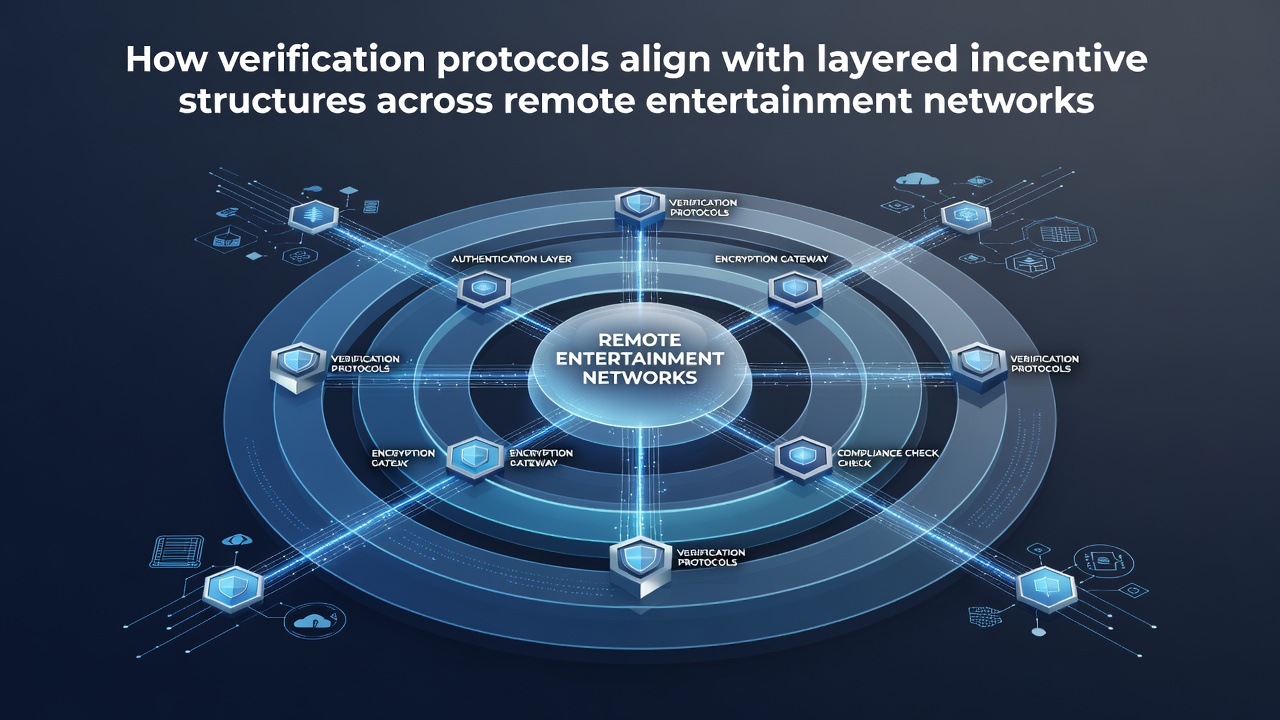
How Verification Protocols Align with Layered Incentive Structures Across Remote Entertainment Networks
Remote entertainment networks rely on verification protocols that establish user identity through document checks, biometric data, and address confirmation, and these systems connect directly to layered incentive structures where rewards scale according to verified activity levels, deposit patterns, and engagement duration. Data from industry monitoring indicates that platforms synchronize these elements so higher verification tiers unlock access to progressive bonuses, cashback percentages, and exclusive game features without creating compliance gaps. Researchers have observed that alignment occurs when initial identity checks feed into dynamic profiles that adjust reward multipliers in real time, while ongoing monitoring flags discrepancies that could affect tier progression.
Core Components of Verification in Digital Networks
Verification protocols begin with standard know-your-customer procedures that require government-issued identification and proof of address, and they extend to automated systems that cross-reference information against global databases to confirm age and location restrictions. In June 2026 regulatory updates across multiple jurisdictions highlighted how these checks integrate with platform APIs to prevent unauthorized accounts from accessing any incentive layers. Experts note that multi-factor authentication adds another barrier, requiring users to complete device registration and sometimes facial recognition before reward eligibility activates, which reduces fraud rates according to aggregated platform reports.
Layered incentives typically start with welcome packages tied to first verified deposits, then progress through loyalty points that convert into free spins or bonus credits based on cumulative play volume. Observers have documented cases where platforms pause reward accumulation until secondary verification steps, such as source-of-funds declarations, receive approval, ensuring that incentive distribution stays within legal boundaries set by regional authorities.
Integration Mechanisms Across Incentive Tiers
Alignment takes shape through backend algorithms that link verification status to reward eligibility matrices, so bronze-level users receive basic match bonuses while silver and gold tiers access higher percentages and faster withdrawal processing after completing enhanced checks. Studies from academic sources show that this structure encourages users to maintain verified profiles because unverified accounts lose access to escalating benefits, and data indicates retention improves when platforms display clear tier requirements tied to identity milestones. What's interesting is how real-time syncing prevents mismatches, such as a user reaching a high play threshold without full verification, by automatically holding incentives until protocols clear.
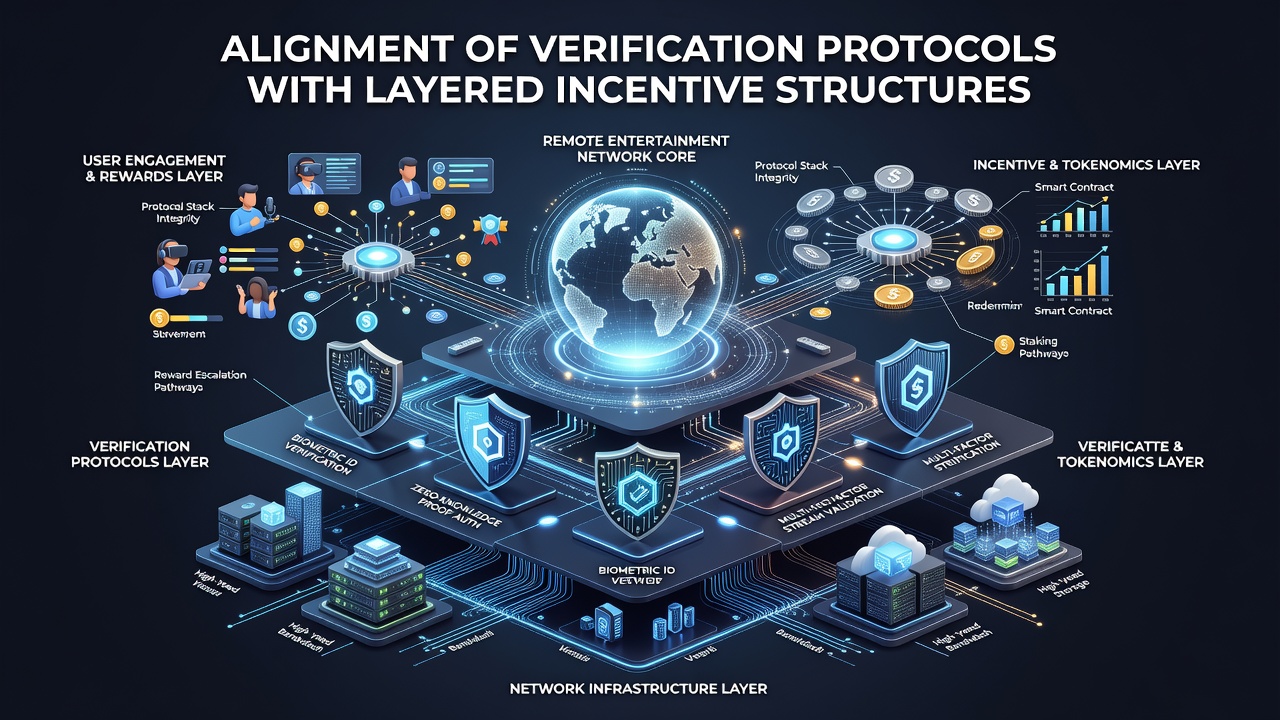
Remote networks often employ API connections between verification providers and loyalty engines, allowing seamless updates when a user completes an additional check or when periodic re-verification occurs every six months. Figures from Canadian regulatory filings reveal that such integrations cut processing delays by measurable margins, while Australian research papers have examined how these protocols support responsible gaming tools by limiting incentive exposure for accounts under enhanced monitoring. And because incentive layers operate on verified data, platforms can apply geo-specific rules automatically, such as restricting certain bonuses in regions with stricter deposit limits.
Operational Patterns in June 2026
By June 2026 several networks reported updated dashboards that visualize verification completion rates alongside incentive redemption statistics, helping operators identify where drop-offs occur between tiers. Those who've analyzed platform logs note that users who finish identity verification within the first 48 hours show higher progression through reward levels compared with delayed cases. This pattern emerges because aligned systems grant immediate entry to base incentives upon approval, creating momentum toward higher tiers without separate manual reviews.
Industry organizations have compiled evidence that cross-border networks benefit most from standardized verification formats, since users moving between regions maintain consistent profiles that preserve their incentive history. Data shows reduced account duplication when protocols require unique biometric markers at each tier advancement, which in turn stabilizes the distribution of layered rewards across wireless and app-based formats.
Conclusion
Verification protocols and layered incentive structures function as interconnected systems in remote entertainment networks, where identity confirmation directly governs reward access and scaling. Evidence from regulatory filings and research indicates consistent patterns of integration that support compliance, reduce fraud exposure, and maintain operational efficiency across user bases. Platforms that maintain these alignments report measurable improvements in account integrity and activity tracking, while users encounter predictable pathways from initial verification to advanced incentive benefits.