Linking Wallet Selection to Extended Play Credits in Portable Live Action Formats
Tina Schmitz · Jun 15, 2026
Linking Wallet Selection to Extended Play Credits in Portable Live Action Formats
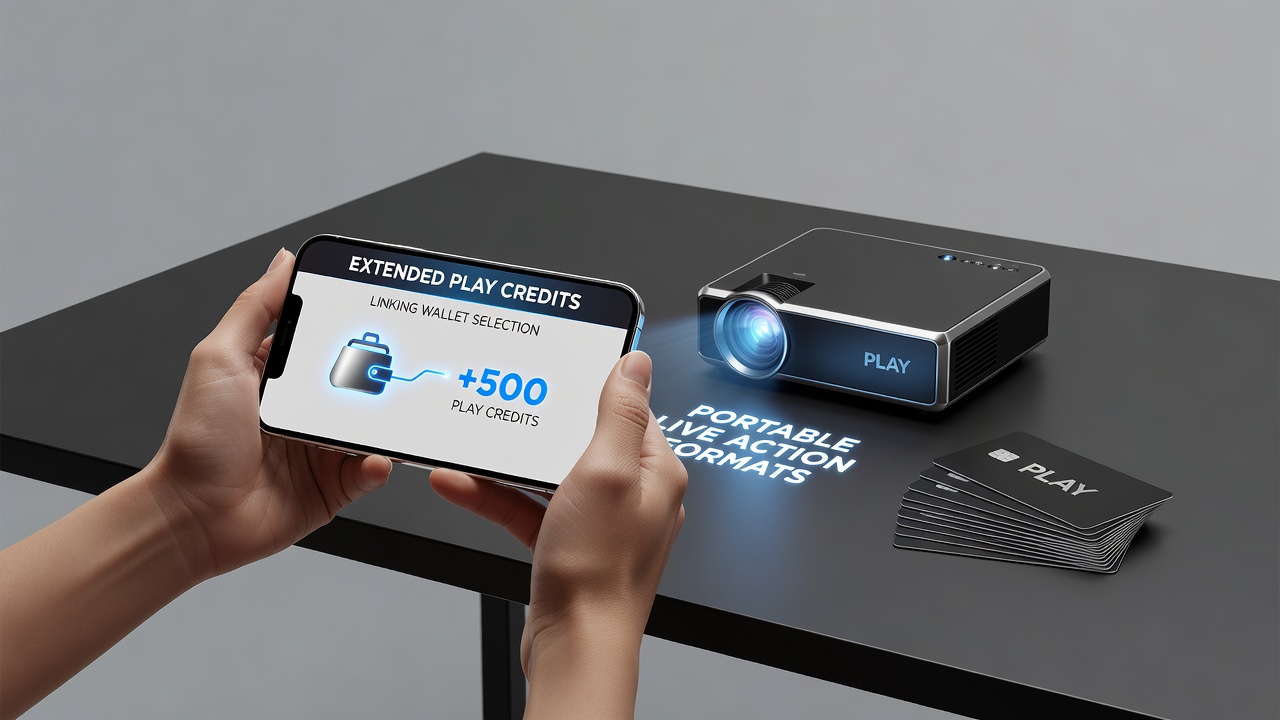
Portable live action formats have expanded rapidly since operators began integrating digital wallet systems with extended play credit mechanisms, and data from June 2026 shows continued growth in handheld device usage for live dealer tables and reel-based games. Wallet selection now determines how extended play credits activate, how long those credits remain available, and which bonus multipliers apply during live sessions on mobile networks.
Wallet Protocols and Credit Extension Mechanics
Operators link specific digital wallets to backend credit engines that track session duration and award additional play credits once predefined thresholds are met, whereas traditional deposit methods often route through separate verification layers that delay credit issuance. Research from the Nevada Gaming Control Board indicates that mobile platforms using instant settlement wallets reduce the average time between deposit confirmation and credit extension by up to 47 percent compared with legacy card processors. This alignment allows players to maintain continuous participation in live action streams without interruption when the system detects sustained activity across multiple rounds.
Technical Synchronization Patterns
Application programming interfaces connect wallet providers directly to loyalty databases, and this connection triggers extended play credits once transaction logs show repeated funding events within a single session. Data indicates that wallets supporting near-field communication transfers achieve faster synchronization than those relying on QR code authentication, because the direct device handshake bypasses intermediate routing steps that can introduce latency. Observers note that these patterns appear most consistently in live dealer environments where real-time video feeds require uninterrupted credit availability to match the pace of physical table action.
Regional Deployment Trends in Mid-2026
Regulatory filings submitted in June 2026 reveal that several North American jurisdictions updated their mobile gaming guidelines to require clearer disclosure of how wallet choice affects credit duration. The Ontario Lottery and Gaming Corporation published updated compliance metrics showing that 62 percent of new handheld registrations in the first half of the year selected wallets with built-in credit extension features. Similar patterns emerged in Australian markets where state-level reports documented increased adoption of digital wallets that automatically convert deposits into time-based play credits for live streamed blackjack and roulette tables.
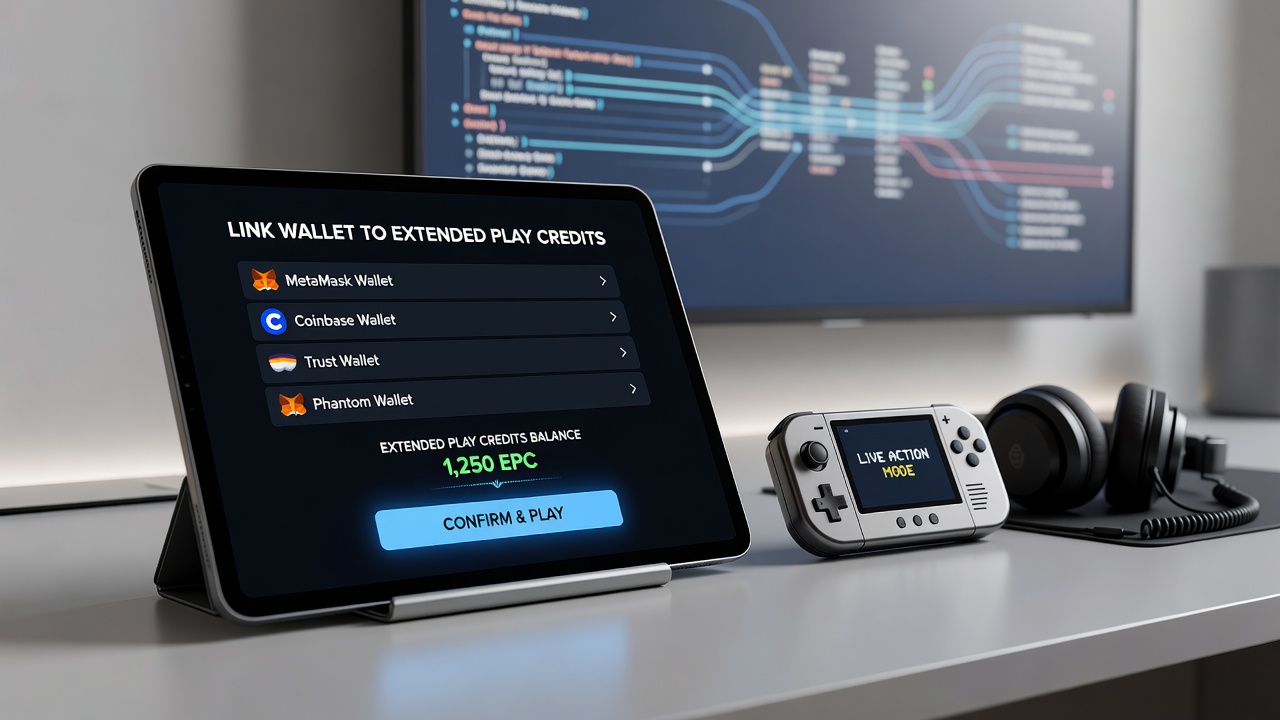
European operators have followed a parallel path, although their implementations differ in the weighting assigned to each wallet type. Systems deployed across multiple borders now adjust credit multipliers according to the wallet's transaction speed and verification tier, which means users who choose faster-settling options receive proportionally longer credit windows during portable live sessions.
Security Layers and Credit Allocation Rules
Encryption standards embedded in wallet applications interact with credit allocation engines to prevent unauthorized extension of play funds, and multi-factor authentication events can temporarily pause credit accrual until identity confirmation completes. Studies conducted by academic researchers at the University of Nevada, Reno found that platforms enforcing wallet-specific security protocols experienced fewer instances of credit manipulation attempts than those using uniform verification across all funding sources. The same research highlighted that live action formats benefit particularly from these controls because real-time table interactions leave little margin for delayed credit validation.
Transaction logs generated by linked wallets feed directly into loyalty algorithms that calculate remaining play time, and these calculations update continuously as long as the session remains active on the portable device. When a user switches wallets mid-session the system recalibrates the credit extension schedule based on the new wallet's settlement characteristics, which can either extend or shorten the available play window depending on the provider's processing speed.
Future Integration Pathways
Industry reports project that by late 2026 additional wallet providers will embed native support for extended play credit tracking within their mobile applications, reducing reliance on operator-side middleware. This development would allow portable live action platforms to receive credit balance updates in near real time without separate API calls, further streamlining the connection between wallet selection and ongoing play credit availability. Regulatory bodies in multiple regions continue to monitor these integrations to ensure transparent communication of credit rules to end users.
Conclusion
Linking wallet selection to extended play credits has become a standard feature across portable live action formats, driven by technical synchronization between payment systems and loyalty engines. Data collected through June 2026 confirms that wallet choice directly influences credit duration and session continuity in mobile environments, and ongoing regulatory updates continue to shape how these linkages operate across jurisdictions. Operators and wallet providers maintain active collaboration to refine these connections while meeting compliance requirements in each market.