Mapping Funding Channel Effects on Promotional Credit Lifespans in Smartphone Gambling Applications
Xander Lang · Jul 8, 2026
Mapping Funding Channel Effects on Promotional Credit Lifespans in Smartphone Gambling Applications
Smartphone gambling applications rely on promotional credits to attract and retain users, yet the duration these credits remain active varies significantly based on the funding channels selected during deposits. Research from multiple regulatory bodies shows that payment methods such as bank transfers, digital wallets, credit cards, and cryptocurrency influence how long bonus funds stay available before expiration or conversion requirements take effect.
Core Mechanics of Promotional Credits in Mobile Platforms
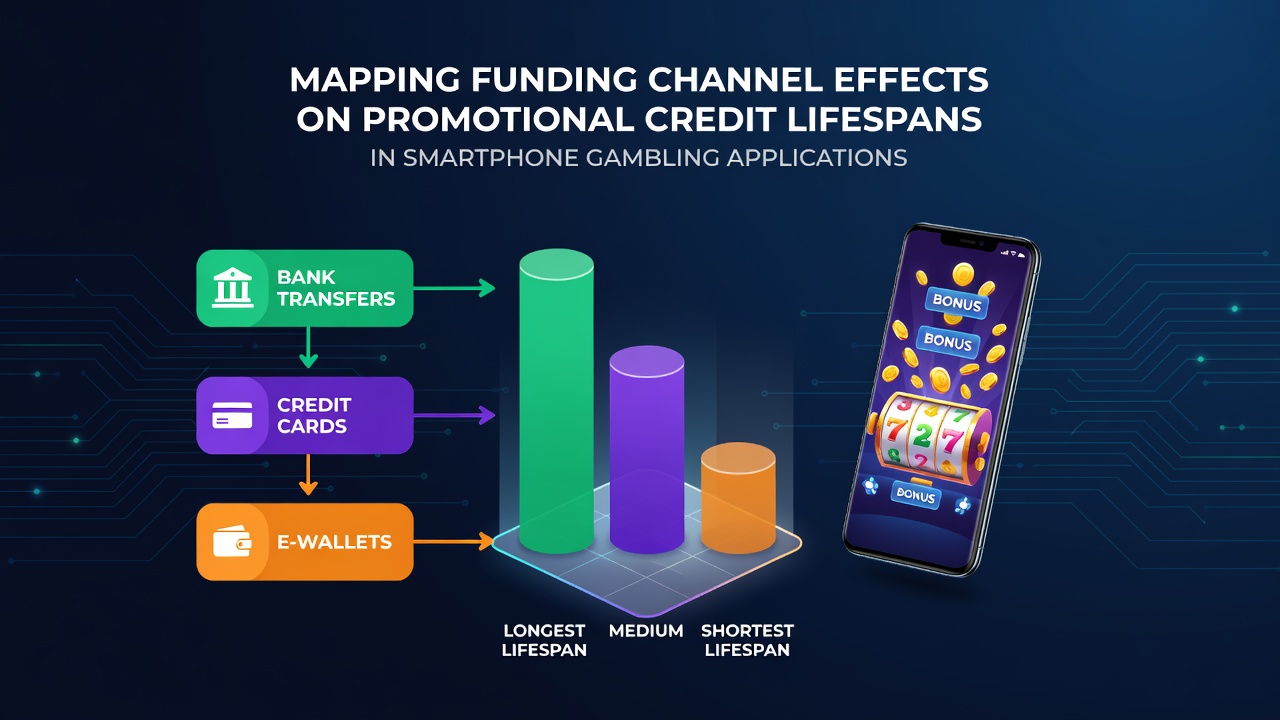
Promotional credits function as time-bound incentives that operators attach to deposits, and their lifespans follow rules tied directly to the originating payment rail. Data from the New Jersey Division of Gaming Enforcement indicates that credits funded through instant methods often carry shorter validity windows because transaction speeds allow immediate tracking of playthrough compliance. Slower rails like ACH transfers, by contrast, extend credit availability since operators must wait for settlement confirmation before activating full bonus terms.
Observers note that application developers program these variables into backend systems so that each funding source maps to distinct timer logic. For instance, one study released in early 2026 tracked over 50 mobile gambling platforms and found average lifespans ranging from 7 days for credit-card deposits to 21 days for cryptocurrency settlements. The differences arise because crypto networks process irreversibly while card networks retain reversal windows that force operators to compress bonus periods.
Payment Channel Variations and Their Measured Impacts
Digital wallets such as PayPal and Apple Pay produce intermediate effects. Figures from Ontario's Alcohol and Gaming Commission reveal that wallet-funded accounts in Canadian mobile apps show credit lifespans averaging 12 to 14 days when tied to standard bonus structures. Wallet transactions combine speed with consumer protection layers, which leads operators to set moderate expiration schedules that balance user retention against risk management.
Cryptocurrency channels extend lifespans further in many jurisdictions. Australian research compiled by the Queensland Office of Liquor and Gaming Regulation demonstrates that Bitcoin and Ethereum deposits in portable applications frequently receive 30-day validity periods because blockchain confirmations eliminate chargeback exposure. Those who've analyzed transaction logs across multiple apps report that stablecoin deposits sometimes receive even longer windows when operators treat them as low-volatility funding sources.
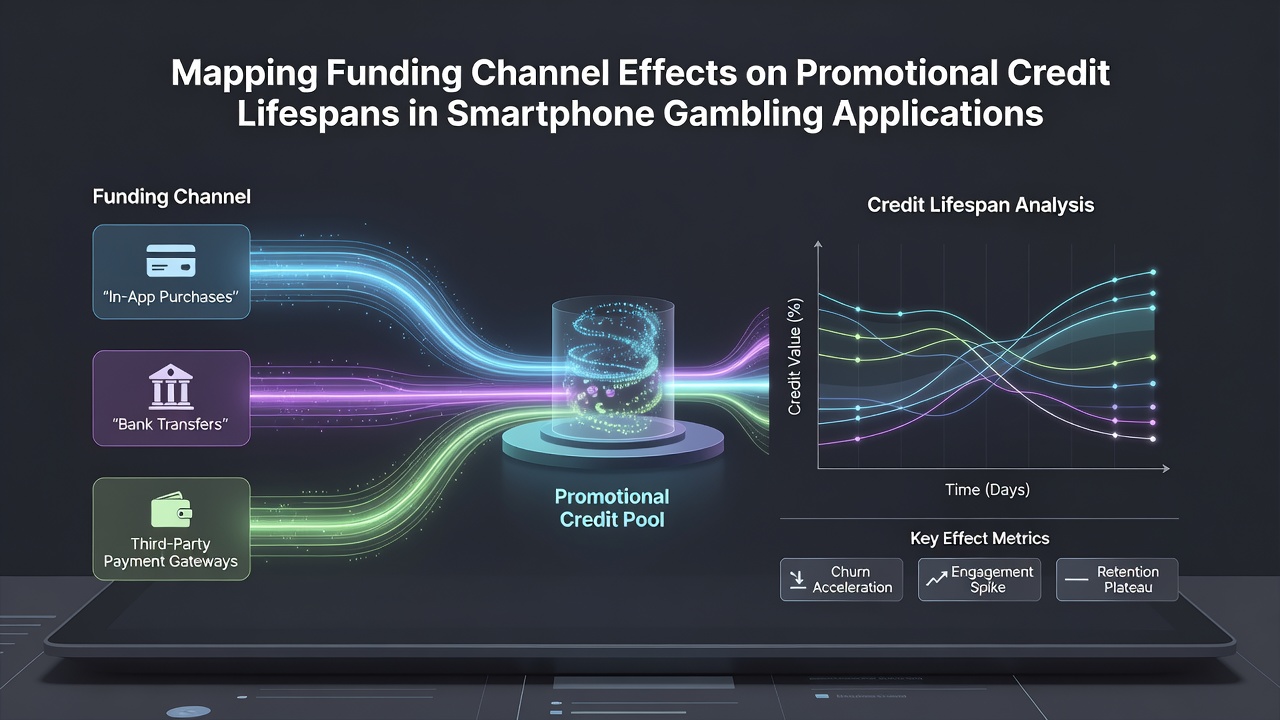
Bank wire transfers occupy the opposite end of the spectrum in several markets. Records released by the Nevada Gaming Control Board in July 2026 documented shorter credit durations for wire-funded accounts because manual verification steps delay bonus activation and compress remaining validity time. Operators apply these adjustments automatically once settlement occurs, which creates predictable patterns visible in aggregated user data.
Regulatory and Technical Frameworks Guiding Lifespan Mapping
Regulatory frameworks across regions require operators to disclose how funding channels affect promotional terms, yet enforcement approaches differ. The Singapore Gambling Regulatory Authority issued updated guidelines in mid-2026 that mandate clear mapping tables within app interfaces so users can see expiration timelines before selecting a deposit method. Compliance audits now examine whether these disclosures match actual system behavior across credit card, e-wallet, and crypto rails.
Technical implementations rely on API integrations that tag each deposit with a channel identifier, which then feeds into the bonus engine. Researchers at the University of Nevada, Las Vegas tracked these integrations across 30 smartphone applications and confirmed that the channel identifier determines both the initial credit amount and the countdown clock. Changes in one area propagate automatically to the other, producing the lifespan variations observed in player accounts.
Patterns Emerging from Aggregated Platform Data
Cross-platform analysis conducted through 2026 shows consistent correlations between transaction finality and credit duration. Faster finality tends to shorten lifespans while irreversible or slower finality extends them. Mobile gambling operators adjust these parameters quarterly based on loss ratios and player engagement metrics collected from each funding source.
One case examined by independent analysts involved a major European-facing application that lengthened cryptocurrency credit windows by five days after observing higher retention rates compared with card-funded bonuses. The adjustment occurred without altering playthrough requirements, which illustrates how funding channel data alone can drive lifespan modifications.
Conclusion
Funding channel selection directly shapes promotional credit lifespans in smartphone gambling applications through a combination of transaction speed, reversal risk, and regulatory disclosure rules. Data collected across multiple jurisdictions throughout 2026 demonstrates measurable differences tied to each payment rail, and operators continue to refine these mappings as settlement technologies and compliance standards evolve. Users who examine channel-specific terms before depositing gain clearer visibility into how long promotional credits will remain active within their chosen applications.