Patterns in Funding Choices Extend Session Lengths Within Loyalty Frameworks for Digital Table Games
Tina Schmitz · Jul 22, 2026

Patterns in Funding Choices Extend Session Lengths Within Loyalty Frameworks for Digital Table Games
Data from multiple online gaming platforms reveal that funding method selections often correlate with longer play sessions in digital table games when integrated into loyalty structures, and this pattern holds across various operator systems observed through mid-2026. Players who opt for certain digital wallets or bank transfers within reward programs tend to maintain extended engagement periods compared to those using one-time card deposits, according to aggregated platform analytics shared at industry forums. These choices align with tiered incentive models that reward consistent activity through bonus credits and priority access features.
Funding Method Variations and Session Data
Platform records indicate recurring patterns where e-wallet integrations such as those supporting instant transfers lead to average session extensions of 25 to 40 minutes in blackjack and roulette formats, while cryptocurrency options show similar effects in poker environments during July 2026 monitoring periods. Researchers tracking user behavior note that loyalty frameworks amplify these outcomes by unlocking multiplier rewards tied directly to deposit frequency and amount thresholds, which encourages continued participation without requiring additional external funding steps. Operators report that seamless funding pathways reduce friction points that typically interrupt play flow in virtual table settings.
Studies from gaming analytics firms highlight how prepaid card usage within loyalty systems produces shorter average sessions than recurring bank link methods, yet both benefit from cumulative reward scaling that tracks total funded amounts over time. Those who've examined transaction logs across North American and European operators find that players accessing loyalty perks through automated funding renewals maintain presence in table game lobbies for extended intervals, often crossing into higher reward brackets that further sustain activity.
Loyalty Integration Mechanisms
Loyalty frameworks in digital table game environments connect funding selections to progressive benefits that include cashback percentages, exclusive tournament entries, and personalized table limits, and these elements combine to influence duration metrics. Data shows participants who select funding options compatible with auto-reload features within loyalty apps achieve higher retention rates, with session lengths extending as they accumulate points toward tier advancements. Australian regulatory summaries from 2026 emphasize similar trends where integrated payment gateways support uninterrupted play cycles in remote table game offerings.
One analysis of user cohorts revealed that individuals combining loyalty-linked funding with table game-specific challenges extended their time on platforms by leveraging bonus funds that reset based on prior deposit patterns. This synchronization appears across multiple software providers, where funding history feeds directly into algorithms that adjust reward availability during live dealer sessions.
Regional Observations and Platform Trends
North American operators documented increases in average session times for table games following updates to loyalty funding interfaces in early 2026, with mobile users showing the most pronounced shifts when selecting integrated digital transfer options. Canadian provincial reports align with these findings, noting that loyalty programs incorporating diverse funding choices correlate with sustained engagement levels across virtual blackjack and baccarat variants. European platforms meanwhile track comparable data where funding method diversity within reward structures supports longer continuous play windows without external interruptions.
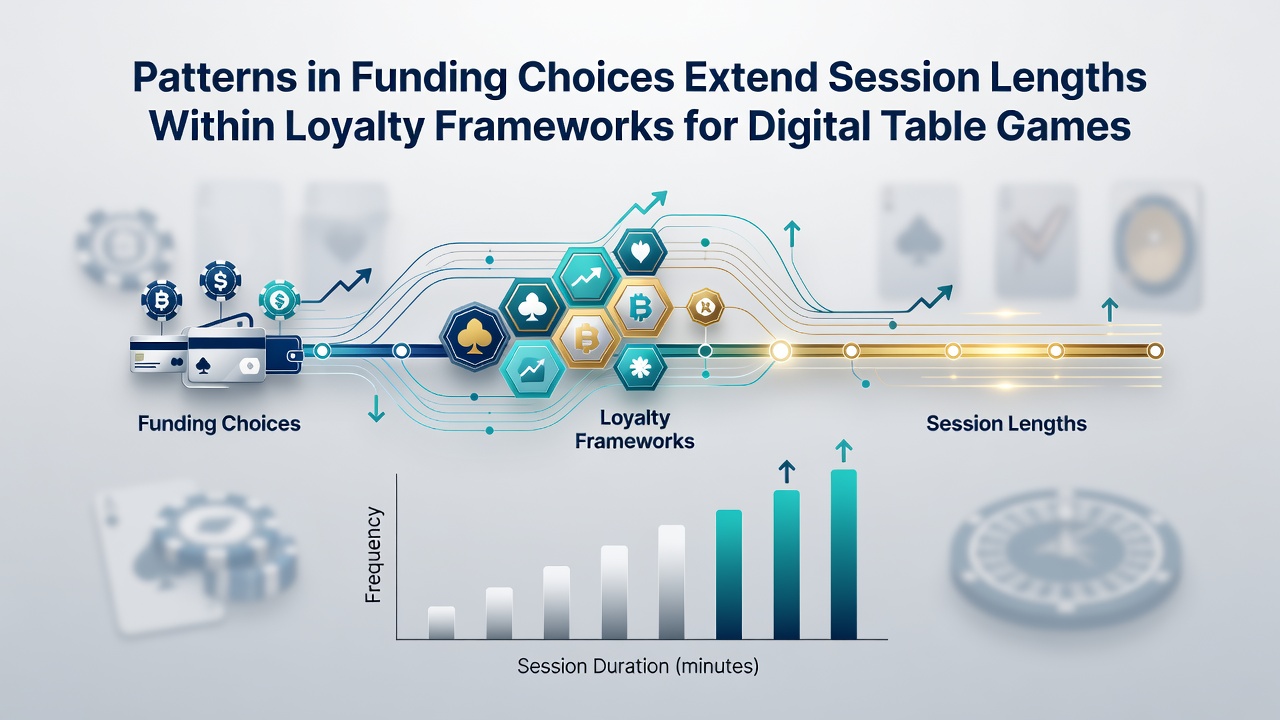
Industry data compiled through July 2026 indicates that operators using unified funding dashboards within loyalty apps observe players progressing through multiple table game rounds before exiting, particularly when loyalty points convert automatically into extended credit access. Those monitoring cross-platform behaviors note that funding consistency within these frameworks often precedes measurable increases in total hands played per session across poker and roulette formats.
Technical Factors Supporting Extended Engagement
Secure API connections between funding providers and loyalty management systems enable real-time updates to player status, which in turn sustains momentum during table game sessions. Platform developers have implemented features where selected funding histories trigger automatic eligibility checks for ongoing rewards, reducing the need for manual interventions that could shorten play periods. Evidence from system performance logs suggests these integrations minimize downtime between rounds while maintaining compliance with regional transaction rules.
Additional patterns emerge when loyalty frameworks incorporate predictive funding suggestions based on historical choices, leading participants toward methods that align with longer-term session goals in digital environments. Observers note that such proactive elements appear most effective in table game categories where decision pacing allows for natural reward accumulation during extended rounds.
Conclusion
Patterns linking funding choices to extended sessions within loyalty frameworks continue to shape digital table game operations, with data from 2026 confirming measurable impacts across regions and platforms. Operators and analysts track these dynamics through transaction and engagement metrics that highlight the role of integrated systems in supporting consistent player activity. As frameworks evolve, the connections between funding selections and loyalty-driven session lengths remain central to understanding remote table game participation trends.