Patterns of Engagement: Linking Funding Channels to Feature Unlocks in Mobile Table Game Environments
Nils Flores · Jun 24, 2026
Patterns of Engagement: Linking Funding Channels to Feature Unlocks in Mobile Table Game Environments
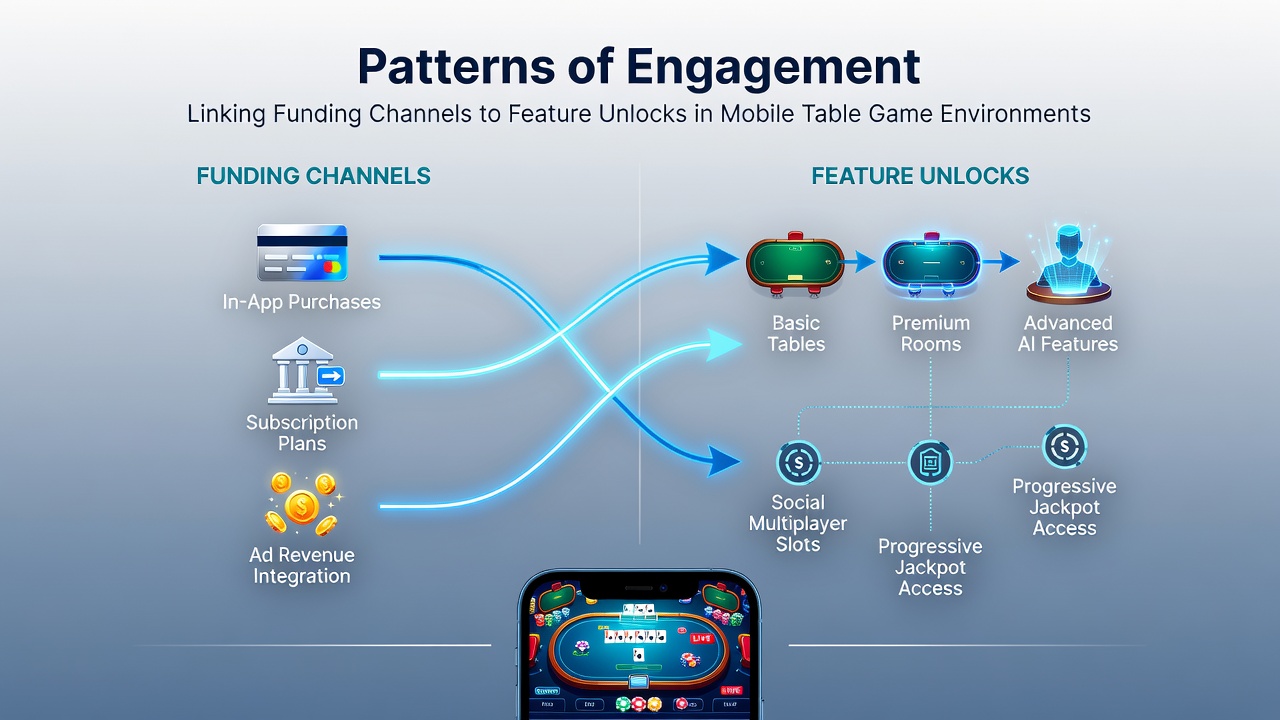
Patterns of engagement in mobile table game environments reveal clear connections between funding channels and the gradual release of in-app features, and these connections shape how players progress through digital blackjack, poker, and baccarat sessions. Funding channels include credit cards, e-wallets, bank transfers, and emerging digital assets, each carrying distinct processing speeds and verification requirements that influence when specific unlocks become available.
Research from the American Gaming Association shows that deposit methods with faster settlement times correlate with quicker access to advanced table variants and multiplier tools. Players who complete an initial transaction through an e-wallet often receive immediate credit toward loyalty tiers, whereas those using traditional bank wires encounter delays that postpone feature activation by several hours or even days.
Funding Channel Characteristics in Mobile Table Settings
Each payment option operates under its own set of technical and regulatory constraints that directly affect gameplay progression. Credit card deposits typically trigger instant balance updates, allowing players to move from basic tables to premium rooms without interruption, yet they also carry higher processing fees that reduce the net funds available for extended sessions. E-wallet services provide similar speed while embedding additional security layers that sometimes require extra confirmation steps before higher-stakes features activate.
Digital asset transfers introduce another layer of timing variability, since blockchain confirmation periods range from minutes to over an hour depending on network congestion. Data collected across multiple platforms indicates that users who select faster-confirming assets gain earlier entry to progressive reward structures and exclusive tournament lobbies compared with those awaiting slower verifications.
Feature Unlock Mechanisms Tied to Deposits
Feature unlocks in mobile table environments follow tiered structures that respond to both deposit size and chosen channel. Basic access to standard tables appears after any verified deposit, yet higher-level elements such as private table seating, custom betting limits, and statistical tracking dashboards require cumulative spend thresholds reached through specific payment routes. Observers note that platforms often assign bonus credits or accelerated loyalty points when deposits arrive via partnered e-wallets, creating measurable differences in engagement duration.
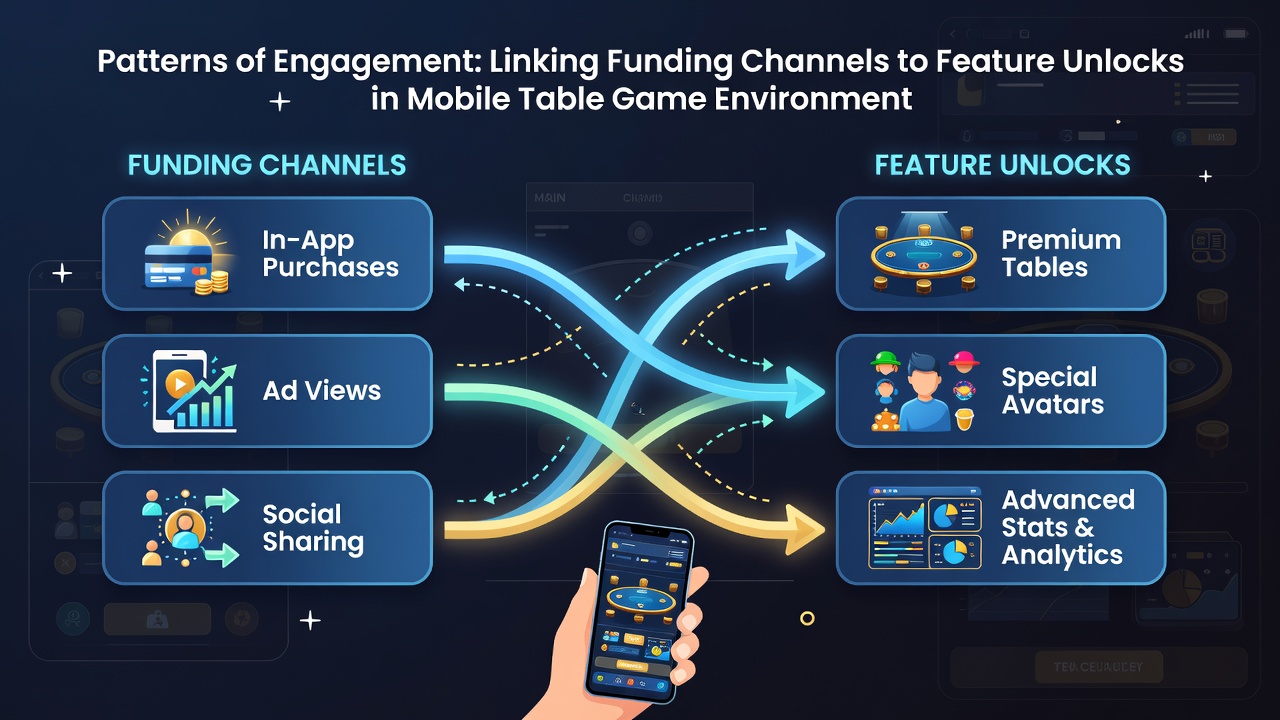
Studies released in June 2026 by academic teams at the University of Nevada, Las Vegas examined transaction logs from several major operators and identified repeatable sequences where e-wallet deposits preceded the activation of real-time dealer interaction modes within the first thirty minutes of play. In contrast, credit card users frequently waited until the second or third session before identical features appeared, suggesting that platform algorithms weigh channel reliability when scheduling unlocks.
Observed Engagement Patterns Across Platforms
Longitudinal tracking of user behavior demonstrates that payment channel choice influences session length and frequency. Individuals who rely on instant settlement methods maintain longer average play times because they encounter fewer interruptions when moving between game modes. Those dependent on slower channels show higher rates of session abandonment before reaching advanced features, resulting in lower overall retention metrics.
Platform operators adjust unlock thresholds seasonally, and June 2026 updates introduced new synchronization rules linking deposit velocity to feature availability. These adjustments produced measurable shifts in how quickly players progressed through loyalty ladders, with e-wallet cohorts advancing roughly twenty percent faster than card-based cohorts during the initial month after implementation.
Regional Variations and Regulatory Influences
Different jurisdictions impose distinct verification standards that further modulate the relationship between funding and features. Canadian provincial frameworks require additional identity checks for larger transfers, which can delay access to high-limit tables even when instant channels are selected. Australian state regulations emphasize responsible play limits that cap feature unlocks until spending milestones align with pre-set deposit caps.
Analysts at the Malta Gaming Authority have documented how cross-border operators adapt their unlock algorithms to satisfy multiple regulatory regimes simultaneously, creating hybrid systems where the same deposit method yields different timelines depending on the player’s registered location.
Conclusion
The linkage between funding channels and feature unlocks in mobile table game environments rests on measurable technical, financial, and regulatory factors that continue to evolve. Transaction speed, verification depth, and regional compliance requirements collectively determine when players gain access to advanced elements, producing consistent patterns visible across operator datasets. Continued monitoring of these relationships provides operators and researchers with concrete indicators of engagement dynamics that extend well beyond June 2026.