Regulatory Shifts Influencing Progressive Prize Pools in Borderless Digital Entertainment Networks
Rosa Fischer · May 30, 2026

Regulatory Shifts Influencing Progressive Prize Pools in Borderless Digital Entertainment Networks
Borderless digital entertainment networks have expanded progressive prize pools through interconnected platforms that aggregate contributions from players across multiple regions, yet recent regulatory adjustments continue to reshape how these pools form and distribute. Data from industry tracking services shows that such networks handled over $4.8 billion in progressive contributions during 2025, with rules evolving to address cross-border data flows and taxation requirements. Observers note that these changes affect both operators and participants who rely on pooled jackpots that grow from shared gameplay activity.
Cross-Border Pooling Mechanisms Under New Scrutiny
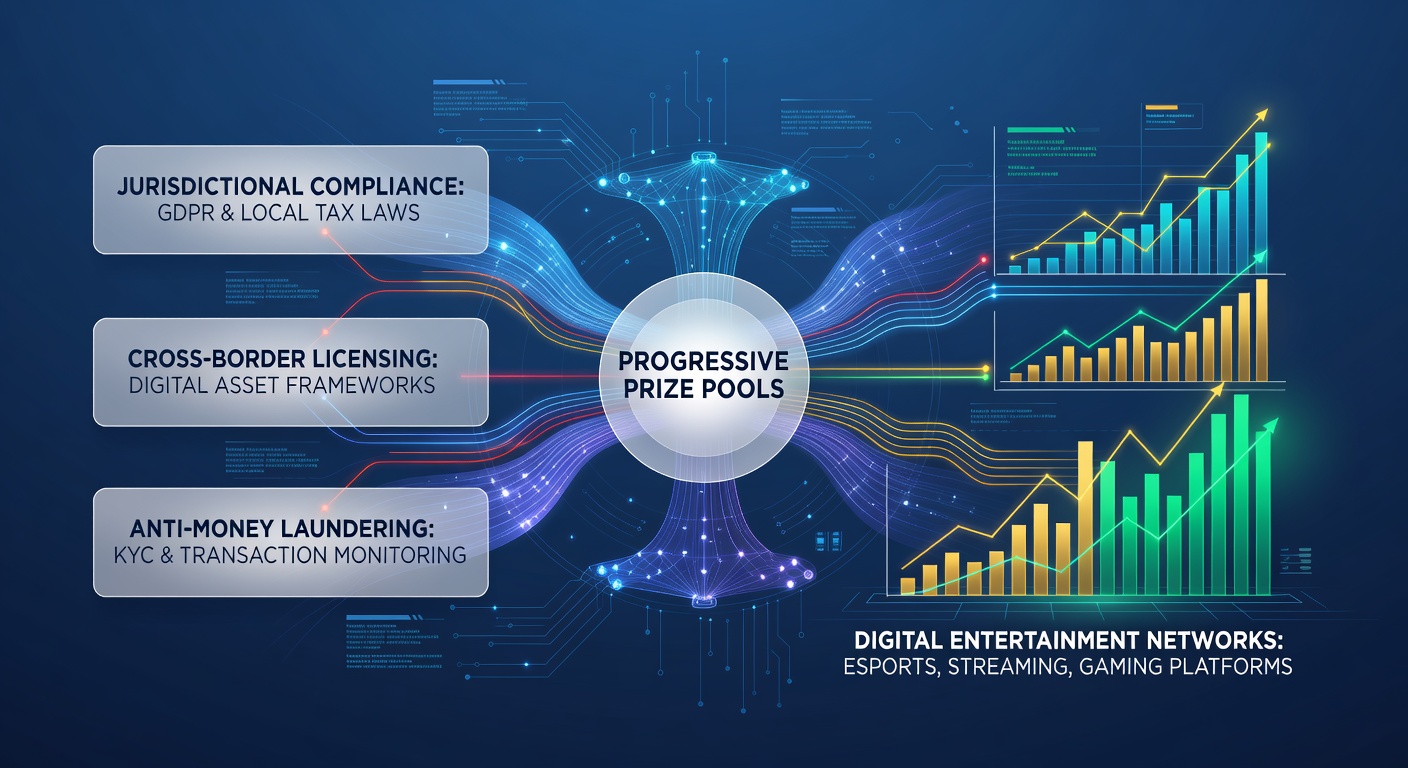
Multiple jurisdictions have introduced updated guidelines that require clearer separation of player contributions based on location, which directly influences how progressive pools accumulate and pay out. In March 2026 regulators in several Canadian provinces implemented reporting standards that mandate operators to segment pool contributions by provincial boundaries even when platforms operate globally. This approach stems from efforts to align prize taxation with local revenue rules, while similar measures appeared in Australian state frameworks during the same period.
Those who manage large-scale networks have adjusted their systems to track jurisdiction-specific inputs without disrupting the overall growth of shared jackpots, and figures from the International Gaming Standards Association indicate that compliance upgrades averaged $1.2 million per major operator in the first quarter of 2026. The adjustments prevent commingling that could trigger additional tax liabilities yet allow pools to continue expanding through coordinated contributions from permitted regions.
Taxation and Eligibility Rules Reshape Distribution
Progressive prize distributions now face tighter eligibility checks tied to player location and account verification, which stems from enforcement actions that began rolling out in late 2025. European authorities outside the United Kingdom updated directives on prize withholding that require operators to apply withholding at source based on the player's primary residence rather than the platform's registration country. These directives took effect for many networks by April 2026, prompting software revisions that calculate and reserve tax portions before displaying growing jackpot amounts.
Research from the Gambling Research Exchange Ontario highlights that networks incorporating automated geo-location filters reduced disputed payouts by 37 percent in tested environments. The same study found that operators who integrated real-time verification tools maintained pool growth rates while satisfying local revenue authorities, and similar patterns emerged in reports covering New Jersey and Pennsylvania gaming commissions.
Technology Adaptations in Response to Compliance Demands
Platform developers have deployed modular ledger systems that isolate pool segments while preserving the appearance of unified growth for users, and these solutions gained traction after May 2026 guidance from the Malta Gaming Authority emphasized audit-ready transaction trails. The guidance requires operators to demonstrate that each progressive increment can be traced to a verified jurisdiction, which has led to wider adoption of distributed database architectures.
One network that serves players across the European Economic Area and select North American markets reported completing full system migration within 11 weeks, after which contribution reconciliation processes shortened from days to under four hours. Industry analysts attribute the speed of adoption to prior investments in API standards that already supported granular reporting, allowing seamless integration of new regulatory flags without halting ongoing jackpot accumulation.
Regional Variations and Coordinated Responses
Differences persist across regulatory bodies, with some jurisdictions permitting pooled contributions from neighboring regions under mutual recognition agreements while others maintain strict isolation. The Australian Communications and Media Authority, for instance, continues to evaluate proposals that would allow limited cross-state pooling for skill-based progressive formats, whereas several U.S. tribal gaming authorities have signaled preference for fully contained state-level pools.
These variations create operational complexity for networks that span continents, yet collaborative working groups formed by the World Lottery Association have begun drafting model frameworks intended to reduce duplication of compliance efforts. Early drafts circulated in May 2026 propose standardized data fields that would satisfy multiple regulators simultaneously, and preliminary testing among five major operators showed a projected 22 percent reduction in reporting overhead.
Conclusion
Regulatory shifts continue to refine the structure and operation of progressive prize pools within borderless digital entertainment networks through requirements on segmentation, taxation, and verification. Networks that adapted their technical and reporting infrastructure have sustained pool growth while meeting jurisdiction-specific obligations, and coordinated efforts among regulators and industry groups point toward further standardization in the months ahead. The ongoing evolution reflects broader efforts to balance player engagement with fiscal accountability across interconnected platforms.