Slot Volatility Patterns Influence Free Spin Redemption Rates When Using Alternative Funding Channels
Rosa Fischer · Aug 26, 2026
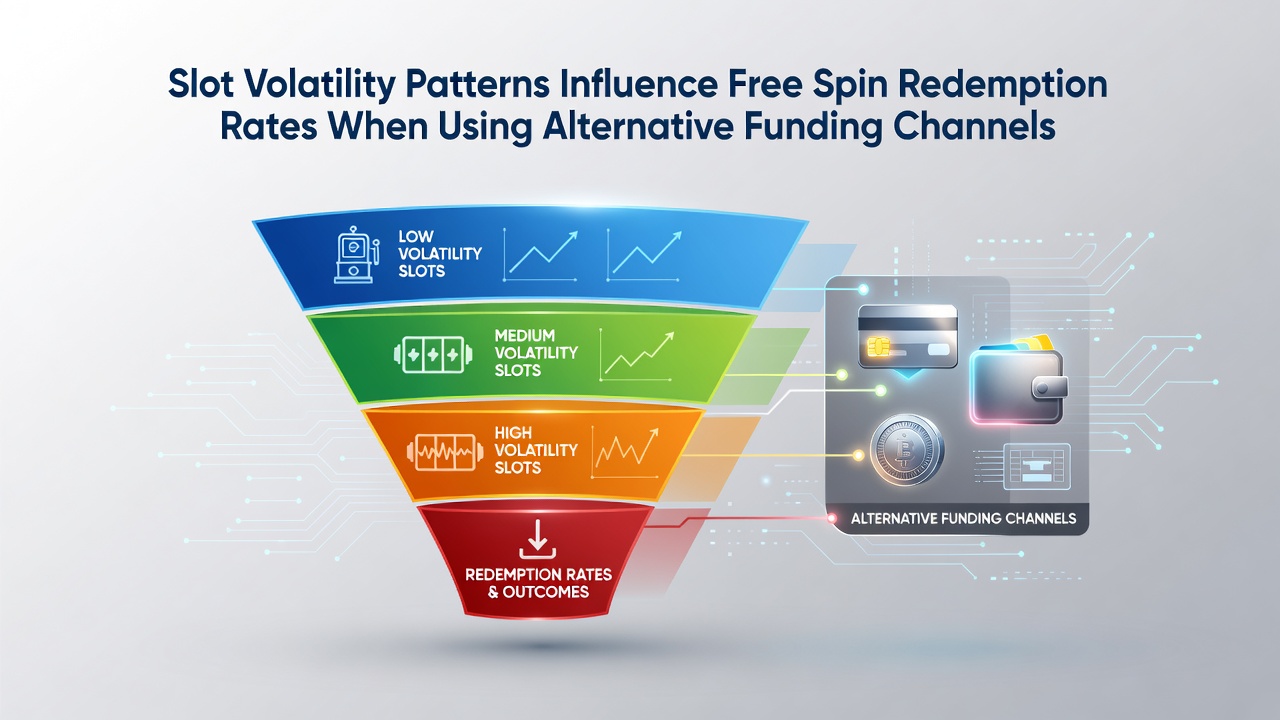
Slot Volatility Patterns Influence Free Spin Redemption Rates When Using Alternative Funding Channels
Slot volatility defines the frequency and size of payouts in reel-based games, while free spin redemption rates track how often players convert bonus rounds into actual credits through alternative funding channels such as e-wallets, cryptocurrency transfers, and instant bank methods. Data collected across multiple jurisdictions shows measurable connections between these elements, particularly when transaction speed and bonus activation windows align with volatility settings on individual titles.
Defining Volatility Levels and Their Core Mechanics
Low-volatility slots deliver frequent small wins that maintain balance stability, whereas high-volatility titles produce infrequent but larger payouts that require longer play sessions before significant returns appear. Medium-volatility games occupy the middle ground with balanced distribution patterns that researchers have mapped through extensive session logging. These classifications remain consistent across providers even as game mathematics vary by studio and regulatory market.
Free Spin Structures in Modern Slot Ecosystems
Free spin features trigger through scatter symbols, bonus buy options, or random activations, and redemption occurs when players meet wagering requirements tied to the original deposit method. Alternative funding channels often carry distinct processing times that affect whether bonus credits remain available during the redemption window, since some e-wallet services complete verification faster than traditional bank rails. Reports from iGaming Ontario indicate that transaction confirmation speed correlates with completion rates for time-sensitive bonus offers.
Observed Patterns When Alternative Funding Meets Volatility Settings
Analysis of session data reveals that high-volatility slots paired with slower-settling funding options show lower free spin redemption percentages compared with low-volatility titles using the same channels. Players who fund accounts via cryptocurrency networks frequently encounter quicker credit availability, which aligns better with the extended play cycles demanded by high-volatility mathematics. In contrast, certain e-wallet processors introduce verification delays that coincide with expiration timers on free spin bundles, reducing overall conversion figures according to aggregated platform metrics.
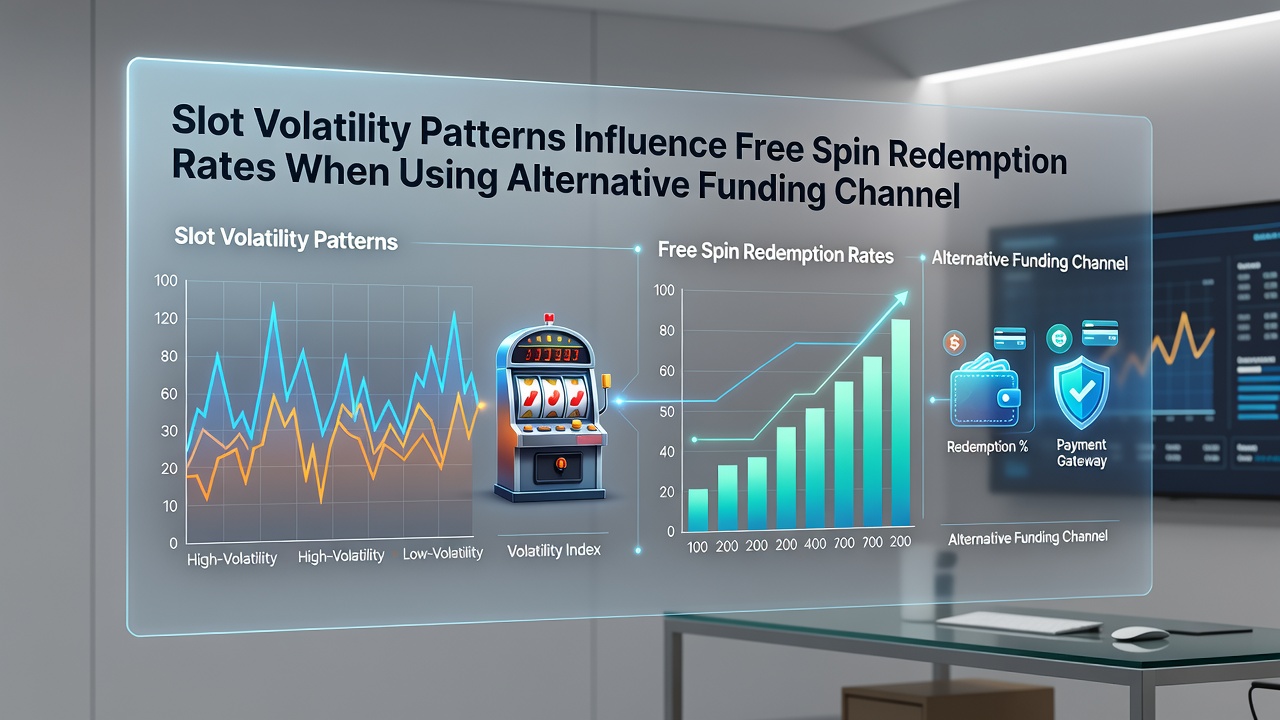
Medium-volatility games demonstrate steadier redemption curves regardless of funding method because their payout rhythm matches shorter session lengths more reliably. Observers note that during August 2026 platform audits, titles with adjustable volatility sliders allowed operators to test these interactions directly, producing clearer datasets on how funding velocity interacts with feature frequency.
Regional Data Sources and Industry Reporting
Figures released by the Nevada Gaming Control Board track funding method distribution alongside bonus utilization, while academic reviews from institutions such as the University of Nevada, Reno have examined player behavior logs across volatility categories. These sources document that cryptocurrency settlements reduce average time-to-play by several minutes compared with certain bank transfer options, creating measurable differences in free spin completion when offers carry strict activation deadlines. European trade associations have compiled similar cross-market statistics that reinforce the same directional patterns without attributing causation to any single variable.
Technical Interactions Between Channels and Game Features
API connections between payment processors and game servers determine how quickly deposited funds appear in playable balances, which directly influences whether a free spin round can be initiated before its associated timer expires. High-volatility titles that require extended sequences of spins benefit when funding arrives within seconds rather than minutes, allowing players to maintain momentum through dry spells. Low-volatility games, by comparison, tolerate brief delays because frequent small wins replenish balances and keep bonus eligibility intact longer.
Platform operators have implemented real-time status indicators that display both volatility ratings and estimated funding arrival times, enabling users to select combinations that historically produce higher redemption outcomes. Data from these systems shows consistent clustering around specific pairings rather than random distribution across all available options.
Conclusion
Patterns linking slot volatility to free spin redemption rates through alternative funding channels emerge consistently from regulatory reports, academic analyses, and platform telemetry across multiple regions. Transaction speed, verification protocols, and game mathematics interact in predictable ways that operators continue to monitor through ongoing data collection. These relationships remain measurable and documented without requiring subjective interpretation of player intent or preference.