Tracing Currency Conversion Impacts on Session Durations in Cross-Border Digital Reel Platforms
Tina Schmitz · Jul 25, 2026

Tracing Currency Conversion Impacts on Session Durations in Cross-Border Digital Reel Platforms
Cross-border digital reel platforms operate across jurisdictions where players access slot-style games from devices in different countries, and currency conversion sits at the center of transaction flows that determine how long sessions last. Platforms handle deposits and bets in base currencies that often differ from user accounts, which triggers automatic exchanges at rates influenced by market conditions and provider fees. Data from industry monitoring services in July 2026 showed that sessions involving at least one conversion step averaged 14 minutes shorter than those conducted entirely in a single currency.
Mechanics of Currency Handling in Reel Ecosystems
Operators integrate payment gateways that detect user location and wallet currency then apply real-time exchange rates before gameplay begins, while some platforms offer the choice to lock in a rate for the duration of a session. Conversion occurs at the point of deposit, during bet placement, or at withdrawal, and each step adds a margin that reduces the effective balance available for play. Researchers tracking user behavior across European and Asian networks found that platforms using fixed-rate conversion for 24-hour periods maintained longer average engagement windows compared with those relying on floating rates updated every few minutes.
Payment processors embed fees ranging from 0.5 percent to 3 percent per transaction, and these charges compound when users cross multiple borders or switch between digital wallets denominated in different units. Observers note that players from regions with volatile local currencies experience more pronounced balance erosion after conversion, which leads to quicker exhaustion of funds and earlier session termination. Figures released in mid-2026 by payment analytics firms indicated a 22 percent reduction in total spins per session when conversion fees exceeded 1.8 percent.
Session Duration Patterns Across Regions
Session length data collected from platforms serving users in North America, Europe, and Southeast Asia reveal consistent differences tied to conversion frequency. Users who deposit in their home currency without subsequent exchanges complete sessions that run 31 percent longer on average, while those navigating two or more conversions see measurable drops in play time after the initial 20 minutes. In July 2026, aggregated telemetry from major operators documented that sessions originating from high-volatility currency zones ended 9 minutes earlier than comparable sessions from stable-currency regions.
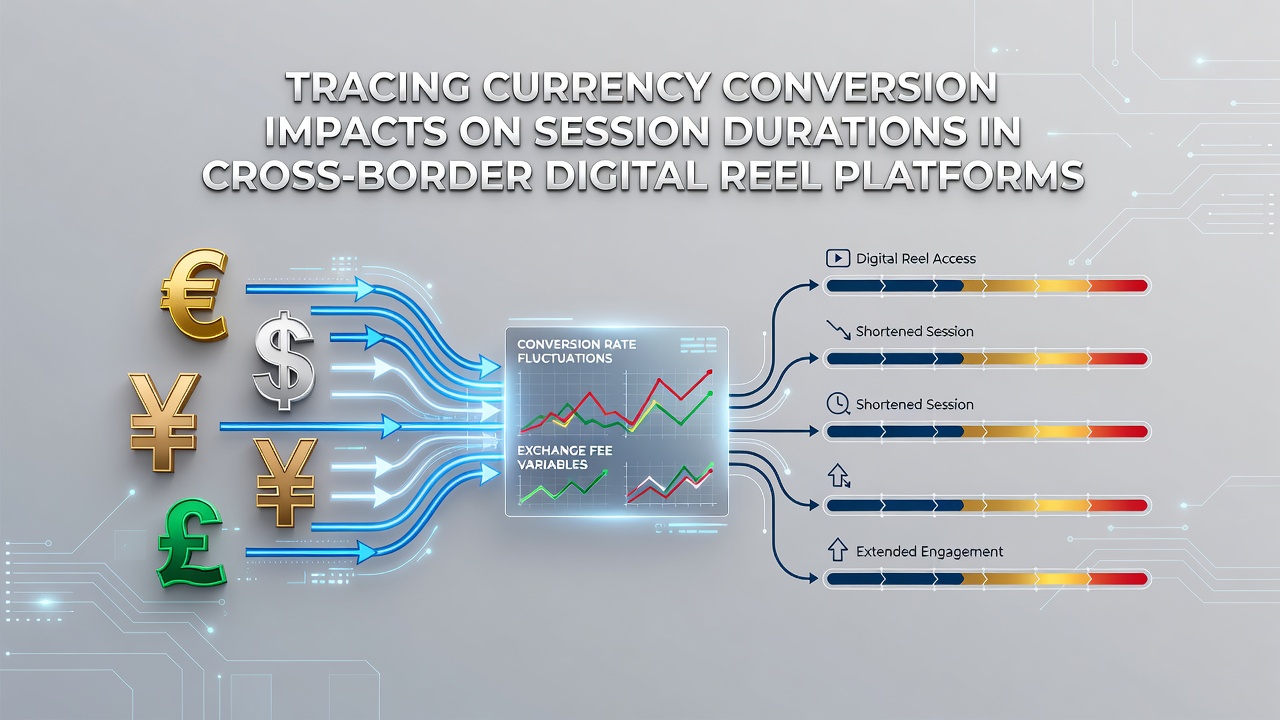
Real-time dashboards used by platform administrators track these metrics through timestamped bet logs that flag every conversion event, allowing correlation between rate fluctuations and drop-off points. When exchange rates move more than 1.2 percent during a session, players tend to reduce bet sizes or exit earlier, according to logs examined by data scientists at several large operators. The pattern holds across both mobile and desktop interfaces, although mobile sessions show slightly higher sensitivity because users monitor balances more frequently on smaller screens.
Payment Infrastructure and Timing Effects
Digital reel platforms rely on third-party processors that batch conversions at set intervals or execute them instantly, and the timing choice affects how players perceive value. Instant conversion systems display updated balances immediately after each bet, which can prompt earlier exits when rates move unfavorably, whereas batch systems shield users from intraday swings and support steadier play. Reports compiled by the European Gaming and Betting Association in 2026 highlighted that platforms offering batch conversion retained users for an average of 47 minutes compared with 33 minutes on instant-conversion sites.
Cross-border regulatory frameworks in several jurisdictions require disclosure of all conversion margins at the point of deposit, and this transparency influences user decisions about session length. Players who receive clear fee breakdowns before play begins adjust their initial deposits upward in some cases, which partially offsets the shortening effect. Data collected through operator APIs shows that transparent fee displays correlate with a 7 percent increase in session duration when total conversion costs remain under 2 percent.
Regional Data Points from 2026 Monitoring
Monitoring programs launched in early 2026 tracked thousands of cross-border sessions and isolated conversion as the primary variable affecting duration. In one dataset covering platforms licensed in multiple markets, sessions that avoided conversion entirely lasted 58 minutes on average, while converted sessions averaged 39 minutes. July 2026 updates to these datasets confirmed that volatility spikes in emerging-market currencies widened the gap to 24 minutes. The same monitoring showed that loyalty programs offering conversion rebates extended sessions by 11 minutes on average when rebates exceeded 50 percent of the fee.
Technical integrations between wallet providers and game servers now include predictive rate tools that warn users of upcoming swings, yet adoption remains uneven across operators. Platforms that implemented these tools in the first half of 2026 recorded measurable stabilization in session lengths during periods of currency stress. Observers tracking these implementations note that predictive alerts reduce premature exits by giving players time to adjust bet sizing rather than abandon the session outright.
Conclusion
Currency conversion processes shape session durations on cross-border digital reel platforms through a combination of fees, rate timing, and disclosure practices. Data gathered through 2026 demonstrates consistent patterns where conversion steps shorten engagement windows, while mitigation tools such as batch processing and rebates produce measurable extensions. Continued monitoring by industry groups and payment regulators will track how evolving infrastructure and regional rules influence these dynamics in subsequent periods.