Tracing Player Retention Through Sequential Bonus Activation Sequences in Virtual Reel Ecosystems
Xander Lang · Jul 13, 2026
Tracing Player Retention Through Sequential Bonus Activation Sequences in Virtual Reel Ecosystems
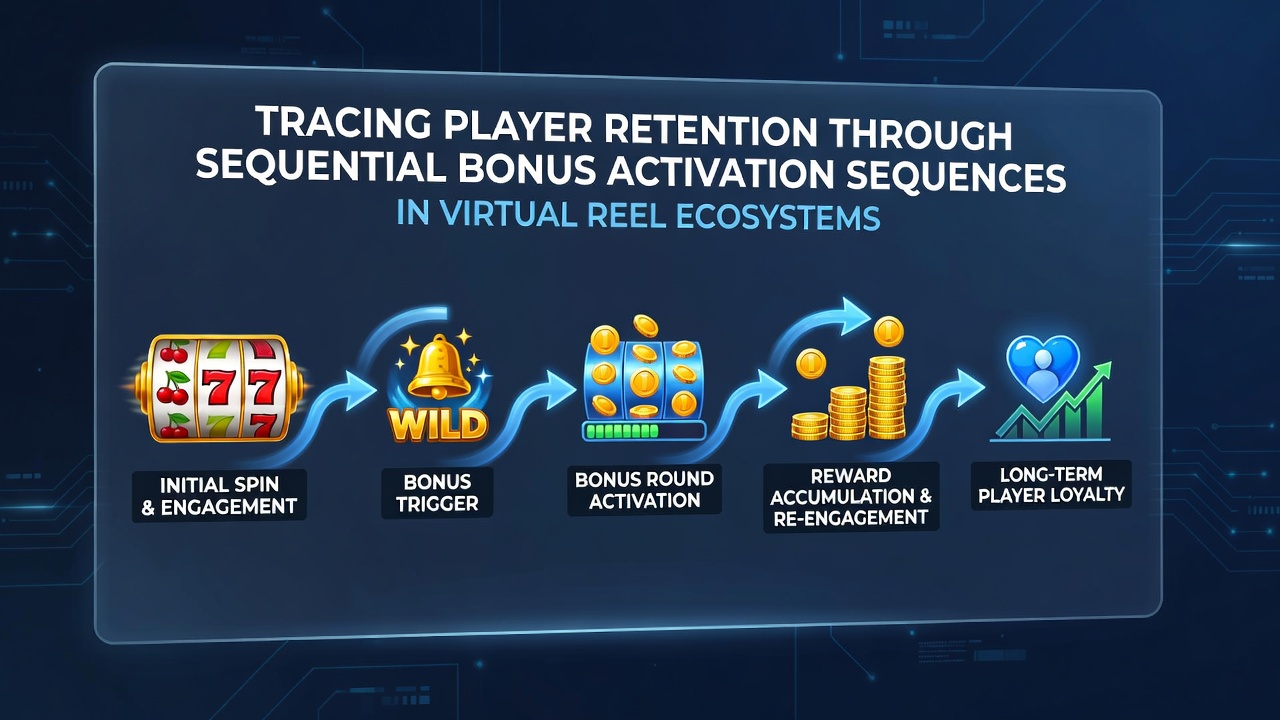
Virtual reel ecosystems rely on layered bonus mechanisms that activate in specific sequences, and operators track these patterns to measure how they influence player return rates over multiple sessions. Data collected across major platforms indicates that sequences involving initial free spin triggers followed by multiplier escalations correlate with extended engagement periods, while those incorporating progressive accumulation stages show measurable impacts on repeat visit frequency. Researchers examining these systems note that the order of activation matters because early triggers build momentum toward later rewards, creating pathways that sustain activity longer than isolated bonus events.
Mechanics of Sequential Activation in Reel Systems
Virtual reels operate through algorithms that determine symbol alignments and bonus entry points, yet the sequences themselves unfold based on predefined rules that link one activation to the next. A typical chain begins with a base game scatter collection, transitions into a free spin round, then branches into a pick-and-win feature or a progressive meter fill that unlocks higher payout tiers. Observers note that platforms using randomized but weighted progression logic often record higher completion rates for these chains compared to static bonus structures, because the variability keeps outcomes less predictable and maintains momentum across consecutive plays. In July 2026 several platform operators reported adjustments to their reel weighting parameters after internal audits revealed that certain sequences produced shorter average session durations when the transition probabilities fell below established thresholds.
Retention Metrics Linked to Bonus Chains
Player retention analytics focus on time-stamped event logs that capture each bonus trigger, completion, and subsequent login interval. Figures from industry monitoring tools reveal that users completing at least three linked activations within a single session demonstrate return rates approximately 18 to 27 percent higher than those exiting after one or two stages. The Alcohol and Gaming Commission of Ontario has published aggregate data showing similar patterns across regulated markets, where sequential bonus depth serves as a leading indicator for 30-day retention cohorts. Analysts further observe that sequences incorporating escalating multipliers during later stages produce stronger effects on weekly active user counts, because the perceived value accumulation encourages players to initiate new sessions specifically to reach those higher tiers again.
Case Observations from Platform Implementations
One documented implementation on a multi-state operator network adjusted its virtual reel bonus flow so that the second activation stage always offered a guaranteed minimum multiplier when the first stage concluded with a specific symbol combination. Internal tracking after the change showed a reduction in early session exits and an increase in average credits wagered per returning user. Another platform introduced conditional branching where the third sequence element depended on choices made during the second, creating personalized paths that researchers linked to improved cohort retention over 60-day windows. These modifications align with broader findings from academic analyses at institutions such as UNSW Sydney, where simulation models demonstrated that sequence length and conditional probability both contribute independently to predicted return probability.

Technological Tracking and Data Integration
Modern reel ecosystems integrate server-side event streaming with client-side telemetry to reconstruct complete activation sequences even when players switch devices or resume sessions after interruptions. This continuity allows operators to attribute retention gains directly to specific chain completions rather than aggregate playtime. Systems employing graph-based modeling map each possible transition between bonus states, enabling identification of bottlenecks where drop-off rates spike. Reports compiled in mid-2026 indicate that platforms applying these models reduced sequence abandonment by recalibrating payout probabilities at critical junctions, resulting in smoother progression without altering overall return-to-player percentages.
Cross-Platform Patterns and Regulatory Context
Comparative studies across desktop and mobile deployments show that shorter sequence windows perform better on handheld formats, whereas extended chains with multiple decision points retain users more effectively on larger screens. Regulatory bodies in various jurisdictions require transparent disclosure of how bonus sequences influence game outcomes, and operators respond by maintaining audit logs that detail activation probabilities at each stage. These requirements have prompted the development of standardized reporting templates that facilitate cross-operator benchmarking of retention outcomes tied to specific sequence architectures.
Conclusion
Sequential bonus activation patterns provide measurable signals for retention forecasting in virtual reel environments, and continued refinement of transition logic combined with precise event logging supports more accurate prediction of player return behavior. Data released through regulatory channels and independent research groups continues to clarify which sequence structures sustain engagement across different player segments and device types.